Establishing a office setting that supports wellness and efficiency is crucial in the current fast-paced environment. Ergonomic science, the discipline of how individuals engage with their workspace, plays a pivotal role in reaching this objective. By applying key ergonomic principles, professionals can improve their comfort, reduce the risk of harm, and improve overall efficiency in their daily responsibilities. Recognizing and implementing these principles can lead to significant benefits for both workers and organizations alike.
One of the first measures in understanding ergonomics is to assess the workstation setup. This encompasses the layout of desks, chairs, devices, and other tools. A seat should provide proper lumbar support, enabling the lower back to retain its healthy curve. The elevation of the desk should be customizable so that when in a chair, arms rest naturally at a 90-degree alignment while typing. Additionally, computer screens should be placed at eye level to decrease neck tension. Properly structuring these components creates a basis for a healthy office.
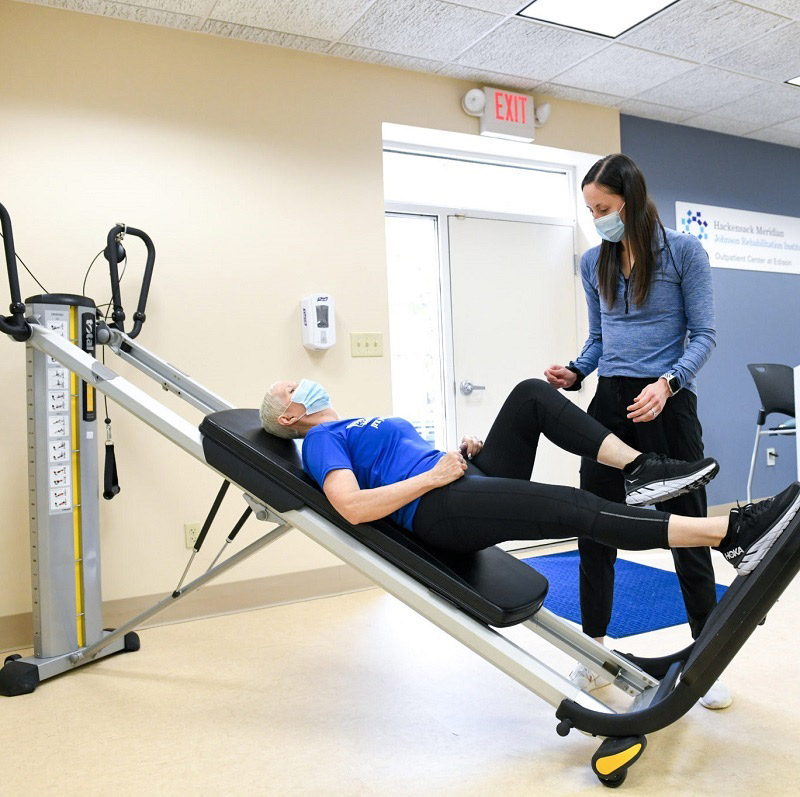
Another key aspect is the significance of physical activity throughout the day. Sitting in one posture for too long can cause discomfort and wellness concerns. As a result, it is beneficial to integrate regular rest periods into the workday. Easy steps such as standing up, doing stretches, or walking around can ease muscle fatigue and boost circulation. Motivating staff to stay mobile not only supports their bodily wellness but also increases concentration and attention during work.
Illumination in the office also holds an significant role in ergonomic design. Insufficient lighting can result in eye discomfort and head pain, which can significantly reduce efficiency. Sunlight is preferred as it lowers reflection and provides working conditions more enjoyable. However, incorporating task lighting with gentle illumination can improve clarity without causing strain. Guaranteeing that work environments are adequately lit contributes to maintaining an setting conducive to focus and effectiveness.
Finally, supporting good practices regarding body alignment is crucial for maintaining a productive office. Staff should be taught on the importance of maintaining an next upright posture and positioning their feet firmly on the ground. Incorporating ergonomic tools like wrist rests or typing platforms can further enhance ease while completing activities. By fostering understanding about physical therapy for arthritis ergonomics among the workforce, organizations can develop a environment of health that leads to greater performance and job satisfaction.
To summarize, applying ergonomics is essential for establishing an effective and supportive workspace. By evaluating workspace arrangements, supporting physical activity, improving illumination, and encouraging proper posture practices, both employees and employers can gain substantial improvements. Investing effort and resources into ergonomic strategies not only improves personal health but also cultivates a stronger organizational culture overall.